The Essential Self-Care Practices For Women In Addiction Recovery

1. Introduction
The National Institute on Drug Abuse estimates that nearly 20 million people in the United States suffer from a substance use disorder. Of those, only about 10% receive treatment. Women are especially susceptible to developing an addiction and they also face unique challenges when it comes to treatment and recovery. Women in addiction recovery need to put self-care at the top of their priority list.Self-care is not selfish – it’s essential. When you take care of yourself, you’re better able to take care of others. These self-care practices will help you physically, emotionally, and mentally as you recover from addiction and build a new life.

**2. The Importance of Self-Care **
The importance of self-care cannot be overstated for women in addiction recovery. For too long, women have been told to put their own needs and desires on the backburner in favor of taking care of others. Whether it’s taking care of children or a spouse, women often put their needs last. However, self-care can be an essential part of the recovery process. When women make the time to care for themselves, they are better able to manage the stress of recovery and the triggers of addiction. Self-care helps to strengthen a woman’s physical, mental, and emotional well-being, which can in turn strengthen self-esteem and resilience. It is important to note that self-care does not mean that you do what you want all the time, when you want to do it. Self-care is about taking the time to build healthy habits that are beneficial to a person’s well-being. Self-care can include getting enough sleep and exercise, eating healthy meals, and engaging in activities that help reduce stress and anxiety. Self-care is about making the conscious decision to do activities that help promote physical, mental, and emotional health, rather than activities that may hinder recovery.
3. What is Self-Care?
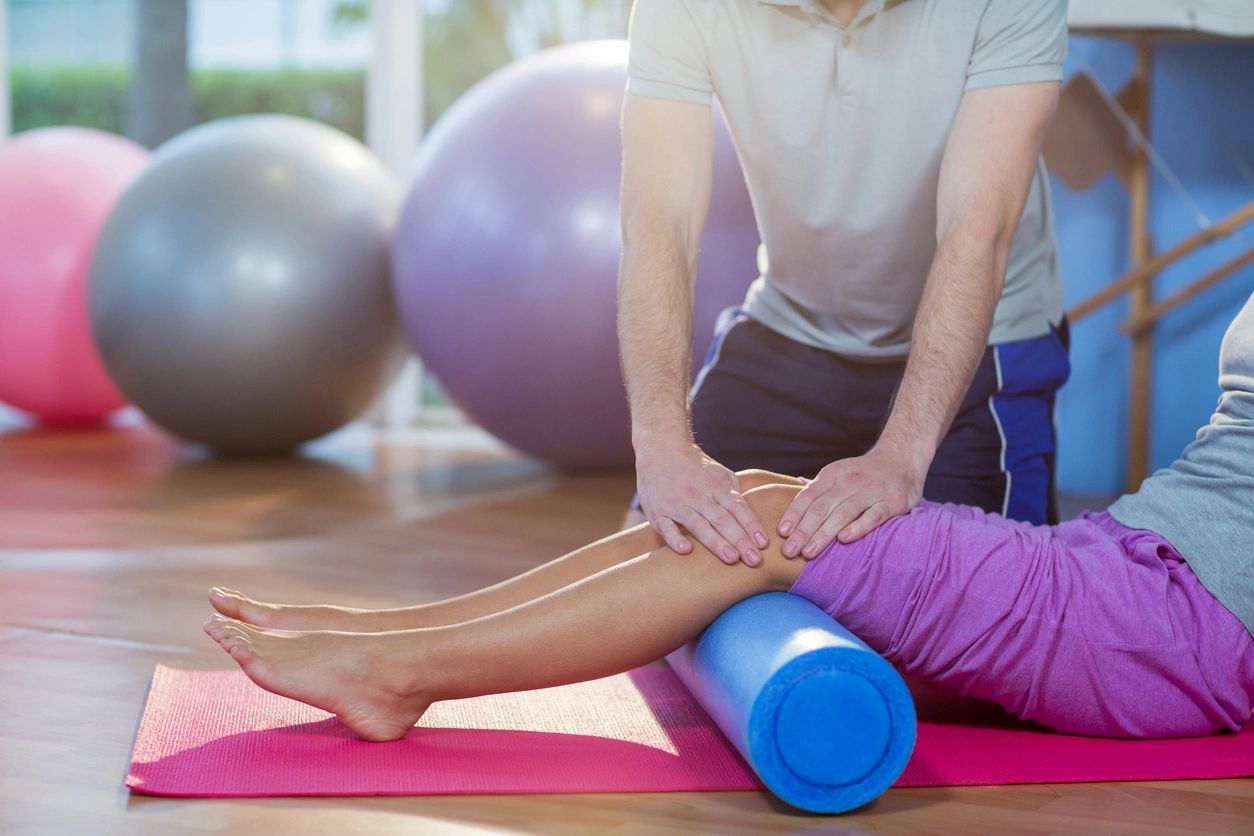
Self-care is the practice of taking intentional care of both physical and mental health. It can include a variety of activities and behaviors, such as eating a healthy diet, getting regular exercise, taking steps to reduce stress such as meditation, or engaging in recreational activities. Self-care also involves being mindful of your own needs, setting and respecting personal boundaries, and understanding what makes you feel supported and nurtured. Self-care has many benefits. It can help reduce stress, increase focus, improve energy levels, and boost confidence. Self-care can also help women in addiction recovery to build self-trust and foster a sense of self-acceptance, aiding in long-term recovery. Self-care is an individual process, which means it looks different for everyone. Women in addiction recovery should take some time to reflect on what self-care practices work best for them. These can be activities that bring joy, give comfort, and take care of any physical and mental needs. Self-care is about taking time to recognize and honor your needs and understanding that taking the time to do this will make all the difference during your recovery journey.
**4. Examples of Effective Self-Care Practices **
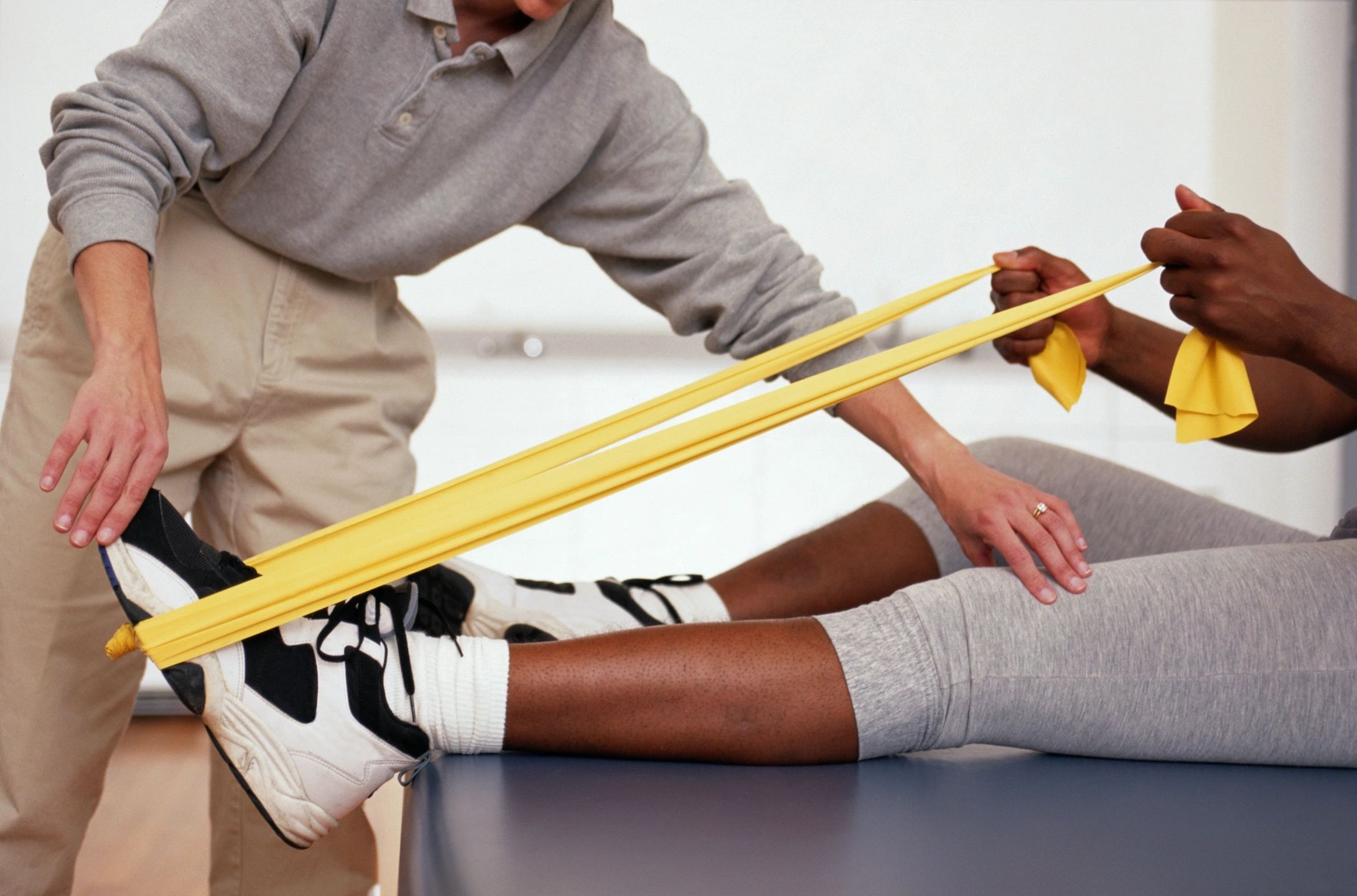
Self-care can include a wide range of activities, which differ from person to person. Here are some examples of effective self-care practices for women in addiction recovery that you may want to consider:
- Exercise. Exercise is an important part of self-care. Exercise can help to manage stress, improve sleep, and boost mental and physical health, all of which are essential for successful recovery. Consider taking a walk, cycling, swimming, or participating in another activity you enjoy.
- Connect with nature. Spending time in nature can be an effective way to reduce stress, calm your mind, and reconnect with yourself. Take a break from your daily routine and spend some time in a park, a garden, or any natural environment.
- Get enough sleep. Getting enough rest and sleep is essential for recovery. Being sleep-deprived can have negative effects on your mental and physical health. Aim for 7-8 hours of sleep each day.
- Make a gratitude list. Gratitude can help reduce stress and increase feelings of happiness and well-being. Each day, make a list of at least five things you are grateful for.
- Practice relaxation techniques. Relaxation techniques such as yoga, tai chi, and mindfulness meditation can help to reduce stress, manage difficult emotions, and improve physical and mental health. Certain relaxation techniques may provide more benefit than others, so experiment to find one that works for you.
**5. Taking Care of Your Body **
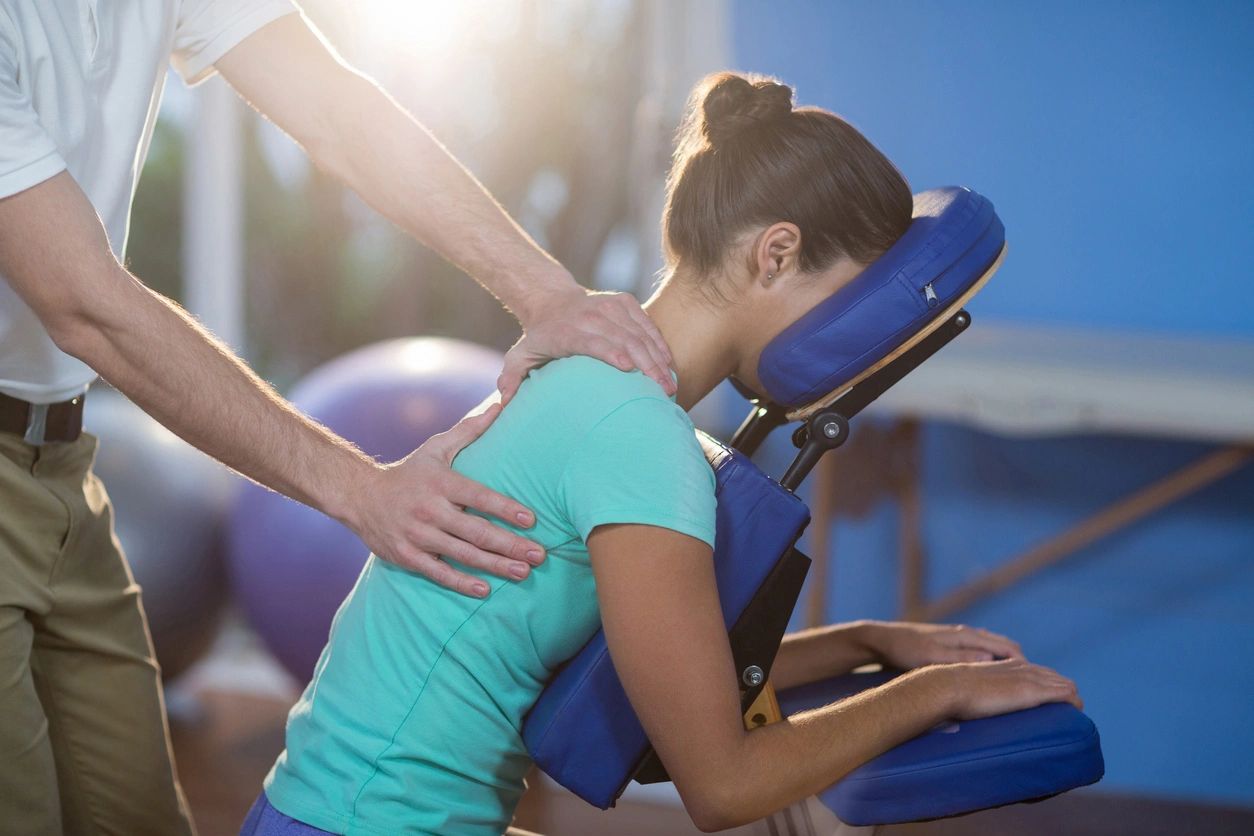
Taking care of your body is an essential part of self-care for women in addiction recovery. There are many small steps you can take to look after your physical health, such as getting regular checkups and screenings, eating a nutritious diet, and avoiding or reducing alcohol and drug use. Here are five tips to help you take care of your body and promote a healthy lifestyle:
- Get regular physical checkups. Visit your doctor at least once a year, or if you’re experiencing any health issues, to check for any potential illnesses or conditions that may arise.
- Regular exercise. Exercise has numerous physical and mental health benefits. Aim to get at least 30 minutes of exercise a day, such as walking, jogging, swimming, or yoga.
- Eat a nutritious, balanced diet. Eating a healthy, balanced diet is essential for optimal health. Limit your intake of processed and fast foods, and increase your consumption of fresh fruits and vegetables.
- Avoid or reduce substance use. Maintaining a healthy lifestyle means avoiding or reducing substance use. Set limits on yourself and talk to your doctor if you’re having trouble cutting down.
- Take some ‘me’ time. Make time for yourself each day – this could be as little as five or 10 minutes. Use this time to relax, meditate, or do something you enjoy. Doing this will help you

**6. Taking Care of Your Mind **
Taking care of your mind is equally as important as taking care of your body in addiction recovery. Mental and emotional health can often be linked to the difficulties of addiction. It is important to practice mindful and positive coping skills, such as positive visualization, visualization and guided imagery. These six tips can help you take care of your mind throughout addiction recovery:
- Connect with others. Connecting with family and friends who care about you can be very beneficial in helping you to feel more at peace. They can offer emotional support and help you to feel less alone.
- Find joy in activities you love. Doing activities that bring you joy and relaxation can help to reduce anxiety and stress. This could be anything from reading a book to playing your favourite sport.
- Get enough sleep. Make sure you’re getting enough sleep every night. Aim for at least 8 hours per night.
- Keep a journal. Writing down your thoughts, feelings and experiences can help to bring perspective to your recovery process.
- Practice positive self-talk. It’s crucial to be kind to yourself. Talk to yourself in positive ways, such as complimenting yourself on your achievements or reminding yourself that you can cope with anything.
- Seek therapy. Professional therapy, such as cognitive behavioural therapy, can help to uncover and reframe any negative or distorted thinking, as well as build coping tools to

**7. Nourishing Your Spirit **
Nurturing your spirit is essential for women in addiction recovery. Your spirit is the part of you that feels connected to something beyond yourself. It is your inner source of strength and healing. It can help you to stay focused on your recovery and manage whatever life throws your way. Here are some tips to help you nurture your spirit during addiction recovery:
- Establish a spiritual practice. Whether it’s through prayer, meditation, journaling, or reading inspirational books, developing a spiritual practice can help you get in touch with your spirit.
- Spend time in nature. Connecting with nature can bring a sense of peace and calm to your soul. Take a walk in a park, go to the beach, or simply observe the beauty of the world around you.
- Spend time with loved ones. Reconnecting with family and friends who have your best interests at heart can be a great spiritual healing experience.
- Connect with a higher power. Whether through prayer or meditation, connecting with a higher power can be a great way to find peace and strength.
- Get creative. Find a form of art or expression that brings out the best in you. Writing, painting, dancing, or playing music can help to calm your soul and make you feel more connected to your spirit.
- Appreciate the little things. Slow down and make an effort to appreciate the little things
Conclusion
Self-care is an essential part of the journey of addiction recovery. It can help you to take care of your physical and mental health, nurture your spirit and become the best version of yourself during this journey. Women have unique needs when it comes to their recovery and should practice self-care specific to those needs. There are many activities that can help you on your journey to recovery, such as spending time with people you love, participating in activities that bring you joy, and taking time to help others. Self-care is a never-ending journey, and it is essential to be mindful and practice these activities regularly. Remember, you are worthy of all the care and love you give yourself. Recovery is a journey, and you can take it one step at a time. Taking care of yourself is an important part of this journey, and will tremendously help you to end this journey in the best shape possible.
Originally published on the Her Turn Sober Living website. View more articles or start the admissions process.